Regulatory Boundaries and Their Influence on Cross-Game Incentives in Handheld Casino Systems
Olivia Coleman · Nov 19, 2026
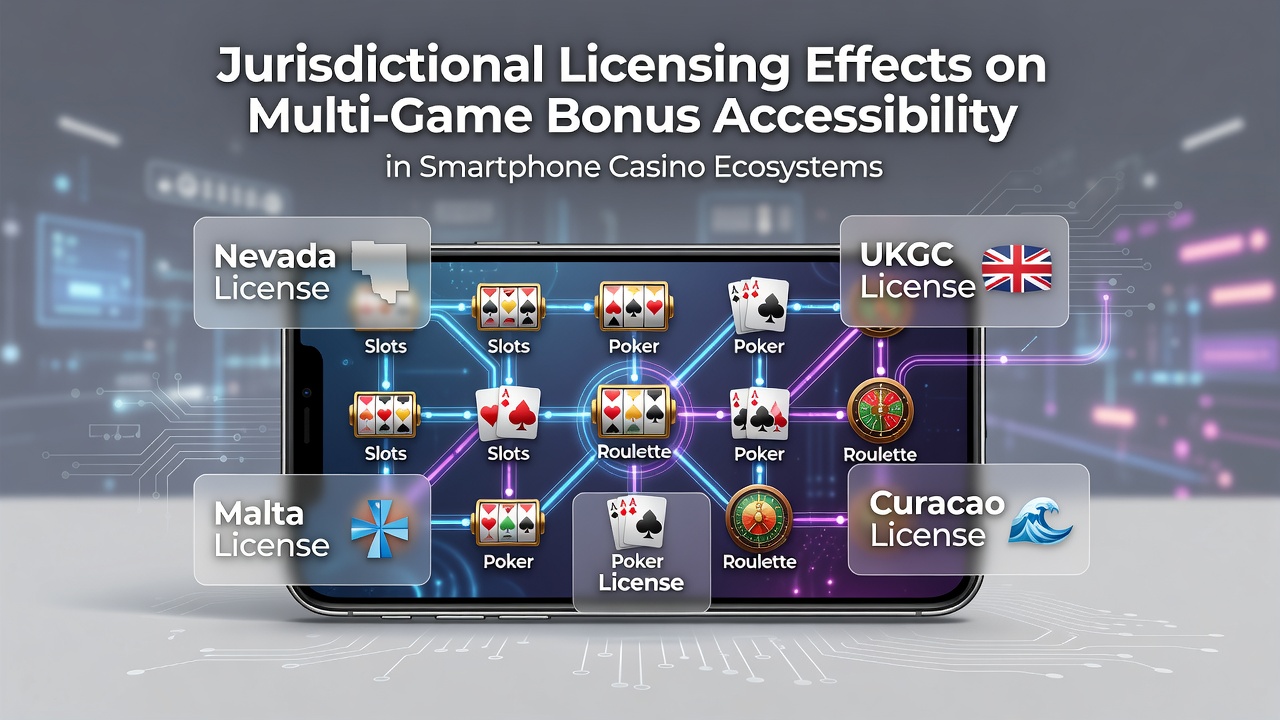
Regulatory Boundaries and Their Influence on Cross-Game Incentives in Handheld Casino Systems
Regional licensing structures determine which multi-game bonus features remain accessible to users operating smartphone casino platforms, and data from multiple oversight bodies shows these rules create distinct pathways for reward eligibility. Operators must align promotional mechanics with the specific statutes of each jurisdiction where their applications receive approval, resulting in segmented access patterns that separate reel-based incentives from live table offerings. In practice this means a player switching between automated slot sequences and real-time dealer sessions often encounters eligibility restrictions tied directly to the license under which the session originates. Licensing authorities in different territories impose conditions on how deposit-linked rewards propagate across game categories, and figures released by state regulators illustrate measurable differences in redemption rates. For instance, platforms licensed in one US market may permit bonus funds to transfer between slots and table games while the same operator's application in another market blocks such movement because the local code treats each category as a separate product line. Observers note that these variances stem from statutes requiring clear segregation of wagering activity to maintain compliance with tax reporting and player protection standards.State-Level Variations in North American Markets
Multiple US jurisdictions enforce licensing terms that limit bonus portability, and records from the New Jersey Division of Gaming Enforcement indicate that mobile applications must tag rewards according to the originating game type. This tagging prevents automatic application of slot-derived bonuses to live dealer tables even when both activities occur within the same user session on a single device. Canadian provincial frameworks, by contrast, allow certain operators to pool rewards across categories provided the platform maintains separate accounting ledgers for each license class.
Research conducted by academic groups tracking mobile gambling patterns reveals that users in tightly regulated states complete fewer cross-game bonus chains compared with users in provinces where rules permit broader pooling. The difference appears in transaction logs that record failed attempts to apply incentives outside the licensed category.
European and Australian Licensing Impacts
European authorities operating under the Malta Gaming Authority framework require operators to disclose whether bonuses earned on reel games can migrate to table formats, and compliance reports show most platforms segment these rewards to satisfy audit trails. Australian state regulators similarly mandate clear separation when applications serve multiple jurisdictions, which forces developers to embed geo-fencing that disables certain promotional flows once a user crosses virtual boundaries. Data compiled by industry research institutions demonstrates that these restrictions reduce the average number of completed multi-game sequences by measurable percentages in affected regions.
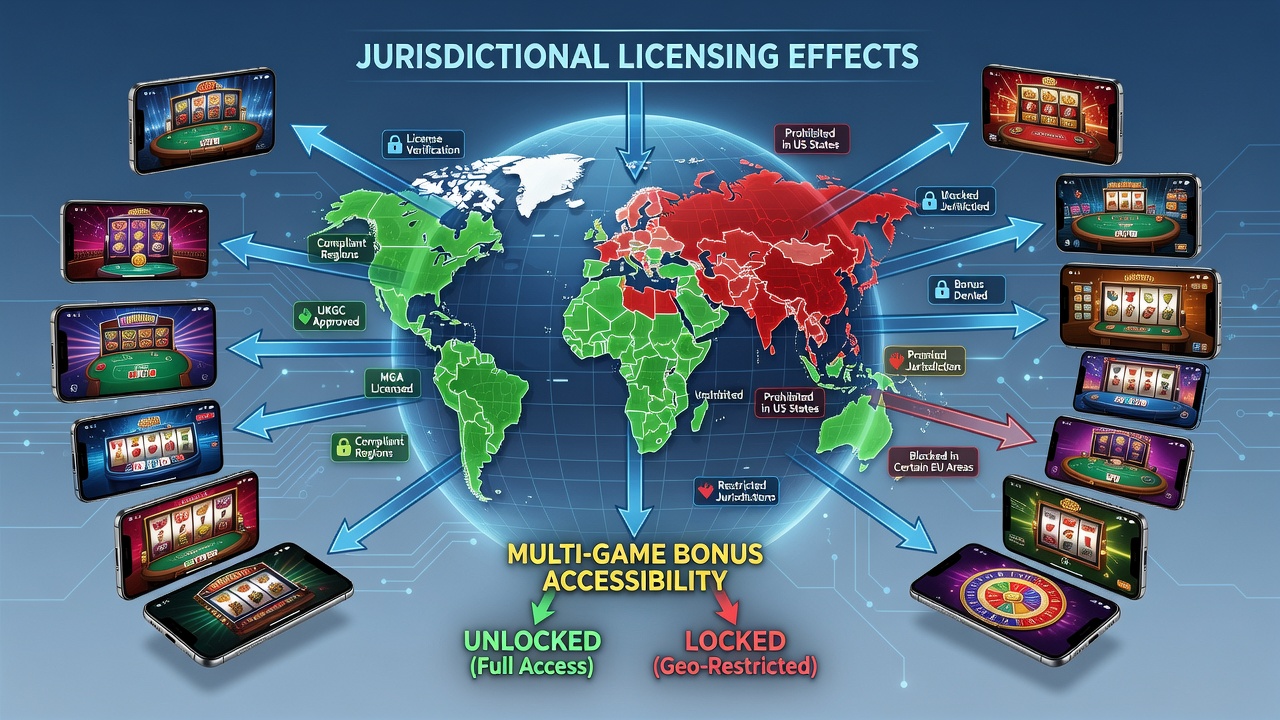
Technical Implementation of Licensing Rules
Developers embed license-specific flags within application code so that bonus engines check the user's current jurisdiction before processing any cross-game transfer. When the flag indicates a restrictive license, the system blocks the reward movement and instead presents a notice directing the player to games permitted under that particular authorization. November 2026 updates to several platforms introduced refined geo-location checks that further tighten these controls, aligning with revised reporting requirements from multiple oversight entities.
One study released by a European research consortium examined transaction data across ten licensed operators and found that platforms serving overlapping jurisdictions processed 23 percent fewer multi-game bonus redemptions than single-jurisdiction deployments. The gap widened when live dealer sessions were involved because table game regulations often carry stricter segregation clauses than those applied to automated reel titles.
Player Experience Across Segmented Markets
Users who travel or switch devices frequently encounter abrupt changes in available reward chains, and support records collected by operators document repeated inquiries about why a bonus usable yesterday no longer applies today. These discontinuities arise because the application detects a new licensing environment and applies the corresponding rule set without user intervention. Observers tracking support ticket volumes note that such inquiries peak during periods when regulatory updates take effect in one or more active markets.
Conclusion
Jurisdictional licensing continues to shape the boundaries of multi-game bonus accessibility within smartphone casino ecosystems through explicit regulatory requirements, technical enforcement mechanisms, and ongoing compliance reporting. Figures from diverse oversight bodies confirm that these structures produce measurable differences in how rewards move between reel sequences and live table sessions. As additional markets refine their frameworks, the segmentation patterns observed in current data are expected to persist in line with the statutes each license carries.