Biometric Verification Transforming Reward Redemption in Mobile Slot and Live Dealer Platforms
Yves Krause · Sep 24, 2026
Biometric Verification Transforming Reward Redemption in Mobile Slot and Live Dealer Platforms
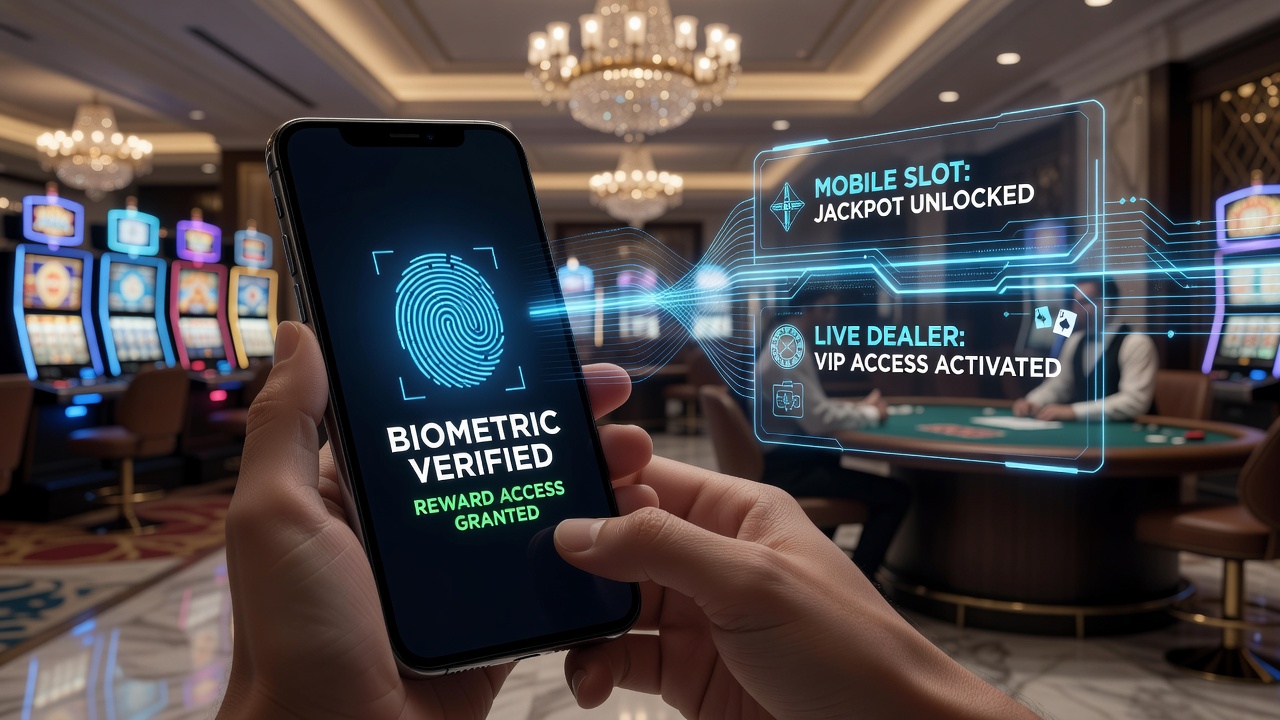
Biometric authentication has become a standard feature across many mobile gaming platforms that offer both automated reel games and real-time dealer sessions, allowing users to verify identity through fingerprints, facial scans, or voice patterns rather than traditional passwords or PINs. This shift reduces friction during login sequences and reward claim processes, which often require multiple confirmation steps when players move between different game formats on the same application. Data from industry reports indicates that platforms adopting these methods see higher completion rates for bonus redemptions because the verification happens in seconds instead of requiring manual entry of codes sent via email or text.
Core Mechanisms Behind Biometric Integration
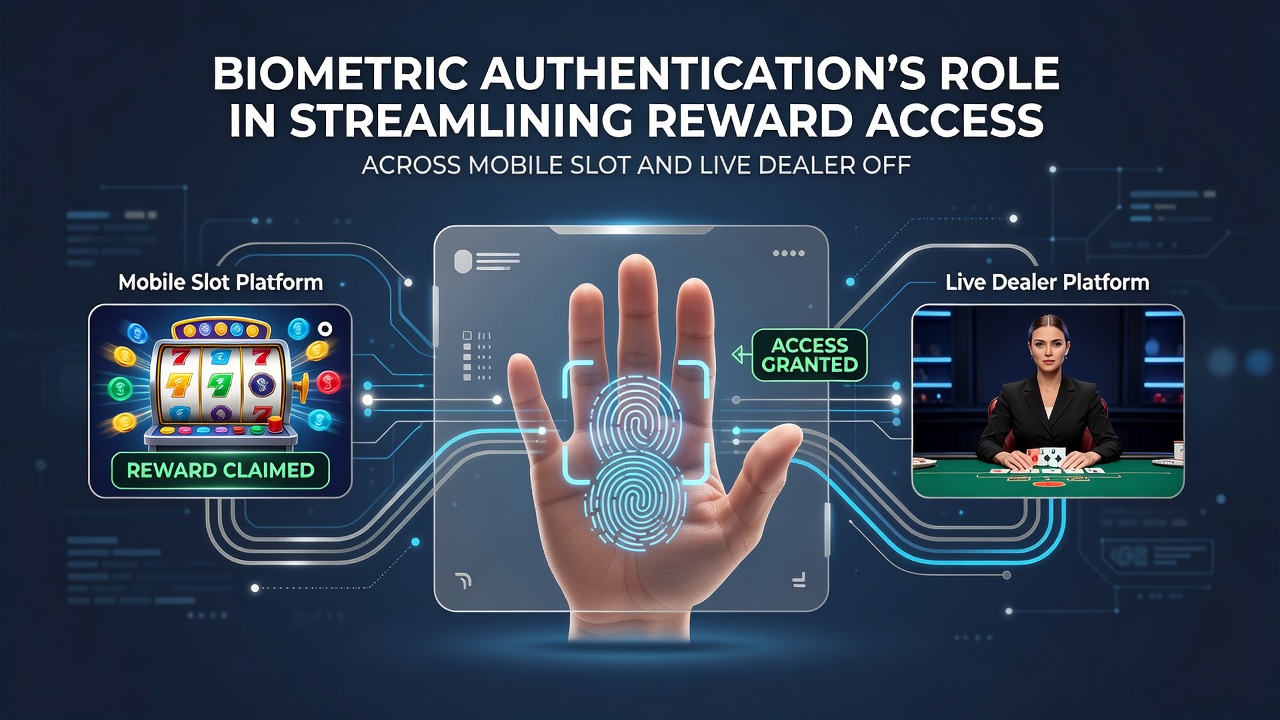
Developers incorporate sensors already present in most smartphones to capture unique biological traits that link directly to player accounts, and this connection enables instant matching against stored templates during reward requests. When a user switches from slot sequences to live dealer tables, the same biometric profile remains active so that accumulated incentives transfer without additional security prompts in many cases. Research conducted by various technology firms shows that error rates for these systems have dropped below one percent in controlled testing environments, which supports broader deployment in regulated markets where accurate identity confirmation remains essential for compliance.
Security protocols combine biometrics with device-level encryption, creating layered protection that guards against unauthorized access while streamlining the path to claimed rewards. Observers note that live dealer sections benefit particularly because sessions run in real time, and any delay in verification can interrupt the flow of play and associated promotions tied to table activity.
Impact on Cross-Format Reward Accessibility
Players often accumulate incentives through slot play that carry over to live dealer offerings, yet traditional authentication creates barriers when attempting to unlock those linked rewards on mobile devices. Biometric methods bypass repeated logins by confirming identity through a single scan, which connects the reward ledger across both automated and human-hosted game types within the same session. Figures from platform analytics reveal increased redemption activity in applications that implemented these tools by mid-2026, with September 2026 data highlighting further gains in markets where mobile usage dominates overall engagement numbers.
Regulatory frameworks in several jurisdictions now encourage or require enhanced identity measures for financial transactions tied to rewards, and biometric solutions meet those standards while maintaining user convenience. One study from a European research consortium found that platforms using facial recognition experienced fewer account disputes related to bonus eligibility compared to those relying solely on account credentials. This pattern holds in regions where operators must verify player age and location repeatedly during extended sessions that span multiple game categories.
Technical and Regulatory Considerations
System designers address challenges such as varying lighting conditions for facial scans and sensor accuracy on different device models by incorporating fallback options like PIN entry when primary biometrics fail. Yet the primary path remains biometric to keep reward access fluid, especially when promotions link slot spins directly to live table participation through shared loyalty tracking. According to reports from the American Gaming Association, adoption rates for such verification tools continue to rise as operators seek to comply with evolving standards across state lines in the United States.
International examples include guidance from Australian regulatory bodies that emphasize secure digital identity methods without mandating specific technologies, which gives platforms flexibility to select biometric approaches suited to their mobile infrastructure. These rules support reward portability between game types because verified sessions carry forward without repeated manual checks that could otherwise fragment the player experience.
Future Developments and Platform Adaptations
Emerging standards around multi-modal biometrics combine fingerprint with iris or voice elements to increase reliability during high-volume reward periods, such as weekend promotions that span both slot and live dealer sections. Platforms that tested these combined systems in 2026 reported smoother transitions for users moving between formats, with reward claims processed at higher volumes without corresponding increases in support tickets. Data indicates that integration with existing payment gateways further accelerates access because identity confirmation happens once at the account level rather than at each transaction point.
Operators continue to refine algorithms to handle edge cases like changes in user appearance or device upgrades, ensuring consistent performance across diverse user bases. This ongoing work aligns with broader industry efforts to balance security requirements against the need for immediate reward access in competitive mobile environments.
Conclusion
Biometric authentication has established itself as a practical tool for connecting reward systems across mobile slot and live dealer offerings by reducing verification steps while upholding necessary security and compliance standards. Platform data through September 2026 demonstrates measurable improvements in redemption rates and session continuity when these methods replace older login procedures. Continued refinements in technology and alignment with regulatory expectations across multiple regions point toward wider implementation in the coming periods.